Insight

Inside China's sports content boom, women and fashion bloggers are rewriting the marketing playbook. The data says emotion crushes features by a factor of ten.
I've sat through dozens of brand strategy meetings where Western sports companies lay out their China plans. The decks always look the same. Product differentiation. Performance benchmarks. Athlete partnerships. Lab-tested materials.
Then I open Xiaohongshu and see what's actually working. It's a different world.
Xiaohongshu is China's 300-million-user platform that functions like Instagram crossed with Pinterest, with a purchase layer baked in. If you want to understand how Chinese consumers discover, evaluate, and buy lifestyle products, this is where you start.
The Sports & Outdoor vertical hit 3.6 billion searches in 2025. I pulled the data on three breakout categories — road cycling, urban jogging, and family skiing — and two patterns jumped out that should make any sports marketer nervous.
The gender flip
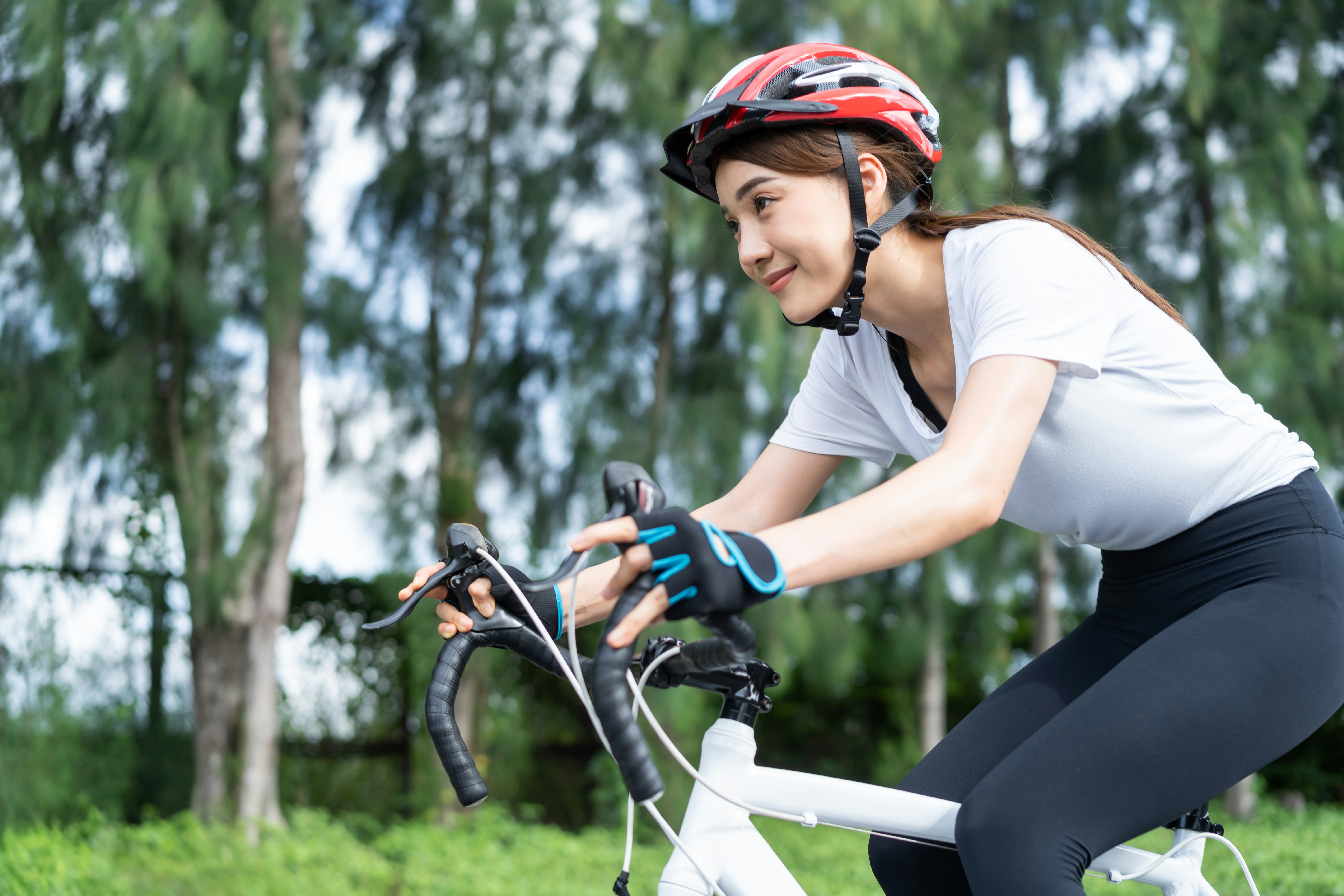
In road cycling, men create 57% of the content. No surprise. But women produce 80% of the top-performing posts. The stuff that actually breaks through, that gets saved and shared and talked about? Overwhelmingly female.
Urban jogging is more striking. 92% of creators are fashion and style bloggers. Not running coaches. Not fitness influencers. Fashion bloggers. 96.6% of all content comes from women.
Family skiing follows the same pattern. Women contribute 60% of posts and dominate the viral hits, framing skiing around bonding and growth milestones rather than powder conditions or equipment reviews.
What's going on? Women are reframing sports from performance to lifestyle. Road cycling becomes "windbreaker aesthetics" (破风美学) — the visual beauty of cutting through air on an open road. Urban jogging becomes a way to explore hidden corners of your city. Family skiing becomes a story about watching your three-year-old stand up on skis for the first time.
Same sports. Completely different lens. And it's this lens that unlocks the commercial value.
When feelings beat features
Xiaohongshu discloses which posts are paid brand collaborations and which are organic. So you can directly compare how audiences engage with each. The Sports & Outdoor industry average: branded posts get 3.1x the engagement of organic ones.
That number alone should surprise Western marketers. On Instagram or TikTok, most users scroll past ads. On Xiaohongshu, they engage with them three times more than regular posts. The platform is structurally different.
But the real story is in the variation across categories.
Road cycling — still gear-focused, lots of specs and route data — branded content gets 2.4x organic engagement. Below average.
Urban jogging — lifestyle framing, city exploration, looking good while staying healthy — 8.1x.
Family skiing — pure emotion, every post a story about parenthood and first experiences — 9.5x.
Almost ten to one.
Why it matters: This doesn't just challenge the Western model. It inverts it. In the most emotionally-framed categories, audiences engage with branded content far more than organic posts. The brand isn't interrupting the experience. It's part of it. Take that to your next strategy meeting and watch the room go quiet.
What the smartest brands are doing
Taobao partnered with a mid-tier cycling blogger to film her daily "recharging" routine. Words like "vitality" and "healing." You barely noticed the product. 54,000 reads.
SiS energy gels tied their product to a female cyclist winning a grueling six-hour mud race in Thailand. No ingredient lists. Just grit and victory. 12,600 reads from a micro-influencer with 2,000 followers.
Gatorade turned a jogging post into a city exploration story — "running to discover the hidden side of my city." The bottle showed up as a companion to the adventure, never the focus. 56,000 reads.
Descente's best-performing ski collaboration? A parenting blogger's comprehensive trip-planning guide: destinations, outfits, hotels. The ski jacket was one detail in a rich family travel story. 41,900 reads.
Every one of these worked because the product served the story. Not the other way around.
Bottom line
Western sports marketing assumes rational consumers. Show them the specs, prove the performance advantage, put a famous athlete in the ad. That playbook was built for a world where brands controlled the message.
Xiaohongshu is a world where users control the narrative. And the users reshaping sports content — predominantly women, predominantly lifestyle creators — don't care about your lab tests. They care about how your product fits into the story of their afternoon, their weekend, their family.
9.5x engagement when you get that right. 2.4x when you don't.
The gap between those numbers is the distance between the old playbook and the new one. And what's happening on Xiaohongshu today will happen on every social commerce platform tomorrow. Western brands can study this now or scramble to catch up later.
I know which I'd choose.
Ready to win Chinese customers?
Brands Without Borders helps businesses abroad reach Chinese travelers and consumers on Xiaohongshu and WeChat, from hotels and destinations to restaurants, retail and luxury brands. We handle account setup and verification, creative, media buying and the WeCom handoff that turns a post into a booking or a sale.