Insight
When consumers who achieved the dream call it a nightmare, what exactly were luxury brands selling?
A ¥110,000 Hermès bag. Used exactly once.
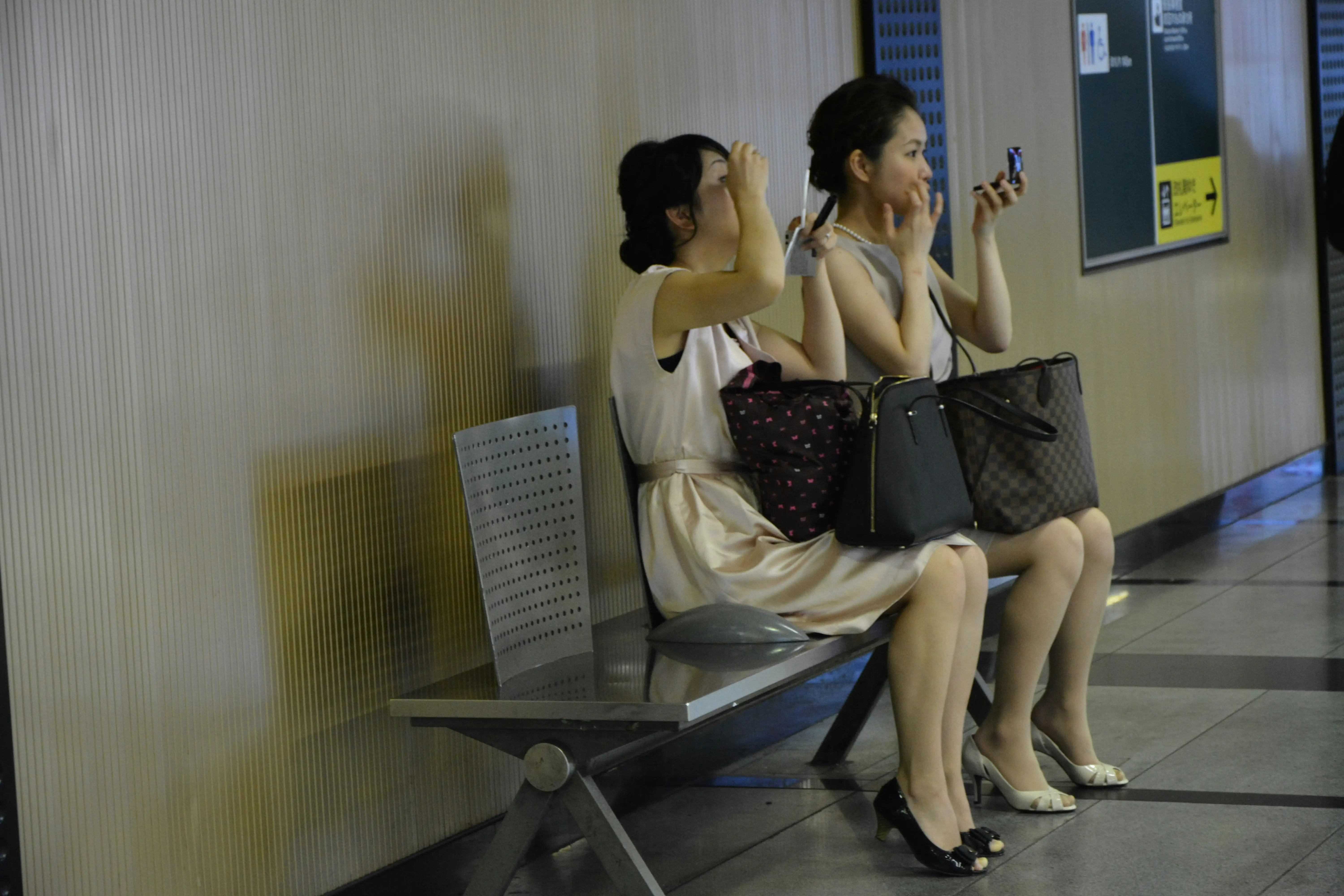
Wan Jing has a ritual when carrying expensive bags on Beijing's subway: pull out a folded cloth bag, wrap the Hermès completely, grab a plastic tray at security, send it through the conveyor belt. Most days she just takes a taxi, even in rush hour, rather than subject her bags to the indignity of public transit.
She hasn't done either in over a year. In all of 2025, Wan Jing bought one luxury bag. Before that, since 2018, she'd been buying 30+ per year.
Open the closets of China's urban professional women and you'll find a similar scene: bags still in packaging, ¥70,000 Chanels worn once, designer pieces too small to fit a phone gathering dust. One woman tried selling a barely-used ¥10,000 Celine recently. Resale value: ¥3,000.
Doctors whose workload tripled. Finance professionals who bought their first LV tote with a month's salary, then realized they needed to keep buying limited editions to maintain credibility, then started mixing counterfeits with authentic pieces because the whole thing became absurd. Women who changed their entire wardrobes to match their Chanel bags, buying clothes they didn't even like, responding to sales associates saying "only two in all of America."
The awakening came slowly at first. New purchase happiness lasting under 24 hours. Hand-washing a ¥5,000 t-shirt while tossing a ¥100 one in the dryer. Needing bags that survive dirty subway conveyor belts more than bags that signal status. Canvas totes proving more useful than anything with a luxury logo.
As one woman put it: "I'm fundamentally still a working person living on salary. Why make my life unpleasant?"
The market confirms what closets already knew
China's mainland luxury market contracted significantly in 2025. Globally, the luxury consumer base dropped from 400 million in 2022 to 340 million in 2025. A 15% decline.
Kering Group saw revenue down 12% and net profit down 62%. Chanel's sales dropped 4.3% with operating profit down 30%, the steepest decline in Asia-Pacific at -9.3%. These are consumers making different choices.
Chinese consumers shifted funds toward gold and preservation assets rather than depreciating handbags in an environment of geopolitical tension and currency instability. The shift went deeper than economics. It became philosophical.
The utility revolution
The entire framework for deciding what's worth paying for changed.
The 2019 illusion cracked first. Social media influencers normalized luxury as daily essentials. Beijing subway cars filled with young women casually carrying LV and Chanel, not showing off, just existing. It seemed accessible, normal, necessary for professional women starting careers.
Professional life taught different lessons. Security checkpoints don't care about your Hermès. Commutes require bags that work, not bags that require elaborate protection rituals. Client meetings reward competence, not handbag recognition from across conference tables. The bags sat unused while canvas totes handled actual life.
Even wealthy VIP customers with early access to new Hermès releases stopped showing up to sales events. When people with unlimited budgets stop buying, money isn't the issue.
Younger consumers started questioning the fundamental premise. If luxury means exceeding actual value, and you strip away symbols and vanity, what remains? Often: aesthetics borrowed from cultures with deeper traditions, quality that doesn't justify markup, and functionality worse than affordable alternatives.
More women noticed that traditional Chinese 回字纹 patterns from bronze vessels millennia old were more refined than luxury brand monograms imitating them. Something fundamental shifted. The emperor had no clothes, or at least, the clothes weren't worth a month's salary.
The paradox: luxury brands double down
Middle-class Chinese women pulled back. Luxury brands raised prices. Dramatically.
Between 2020-2023:
Dior: +66%
Chanel: +59%
Prada: +43%
Louis Vuitton: +31%
Hermès: +20%
Strategic, not panicked. Top-tier brands targeting the genuinely wealthy haven't seen significant sales declines. Their customer base remains stable. They're deliberately shedding middle-class consumers through pricing.
Mid-tier luxury suffered most. Their former customers migrated to emerging brands prioritizing actual utility: lighter materials, practical designs, pieces wearable to real places they actually go. Chinese domestic brands gained ground. The new purchasing question became: "Can I imagine using this in my actual life?" not "What does this signal about me?"
Luxury brands made a choice: refine their customer base rather than adapt their value proposition.
The reckoning luxury brands need to face
Chinese middle-class consumers gained purchasing wisdom. The woman with ¥110,000 Hermès bags gathering dust became smarter about what deserves her money.
Luxury brands built China strategies on a premise that expired: Chinese consumers as nouveau riche, hungry for Western status symbols, willing to pay any price for recognition, valuing logo over utility.
That consumer is gone.
Today's Chinese professional woman has lived the luxury dream, owned the bags, paid the premiums, and done the math. She rejects luxury precisely because she understands it completely. The ¥10,000 bag used once, resale value ¥3,000. The premium that buys scarcity rather than value.
Mature markets look like this. Consumers who recognize their own cultural heritage as more refined than the Western luxury monograms imitating it. Who expect products that serve their actual lives, not their aspirational Instagram feeds.
Chinese consumers are no longer an endless well of aspiration spending. They're discerning buyers who expect value that matches price, utility that serves their lives, and brands that respect their intelligence.
Adapt to that reality, or become irrelevant. Markets reward companies that take their customers seriously. 🔸
Ready to win Chinese customers?
Brands Without Borders helps businesses abroad reach Chinese travelers and consumers on Xiaohongshu and WeChat, from hotels and destinations to restaurants, retail and luxury brands. We handle account setup and verification, creative, media buying and the WeCom handoff that turns a post into a booking or a sale.